Services
The Difference Between Kitchen Cleaning and Kitchen Deep Cleaning
Regular kitchen cleaning and professional deep cleaning serve different purposes. Here's what each covers and when you need both.
Bright Hygiene • 3 min read
What Regular Kitchen Cleaning Covers
Regular kitchen cleaning represents the daily and weekly routines carried out by kitchen staff and covers the visible, accessible surfaces that come into contact with food or are exposed during normal operation. This includes wiping down worktops, preparation surfaces and splashbacks, cleaning cooking equipment exteriors after use, sweeping and mopping floors, emptying bins and cleaning sinks.
This routine cleaning is essential and non-negotiable. Without it, hygiene standards would deteriorate within hours and the kitchen environment would be unsightly. However, regular cleaning has inherent limitations — it addresses surfaces that staff can see and easily reach, but it cannot tackle the hidden build-up that accumulates over time in areas that are out of sight or require specialist equipment to access.
What a Professional Deep Clean Covers
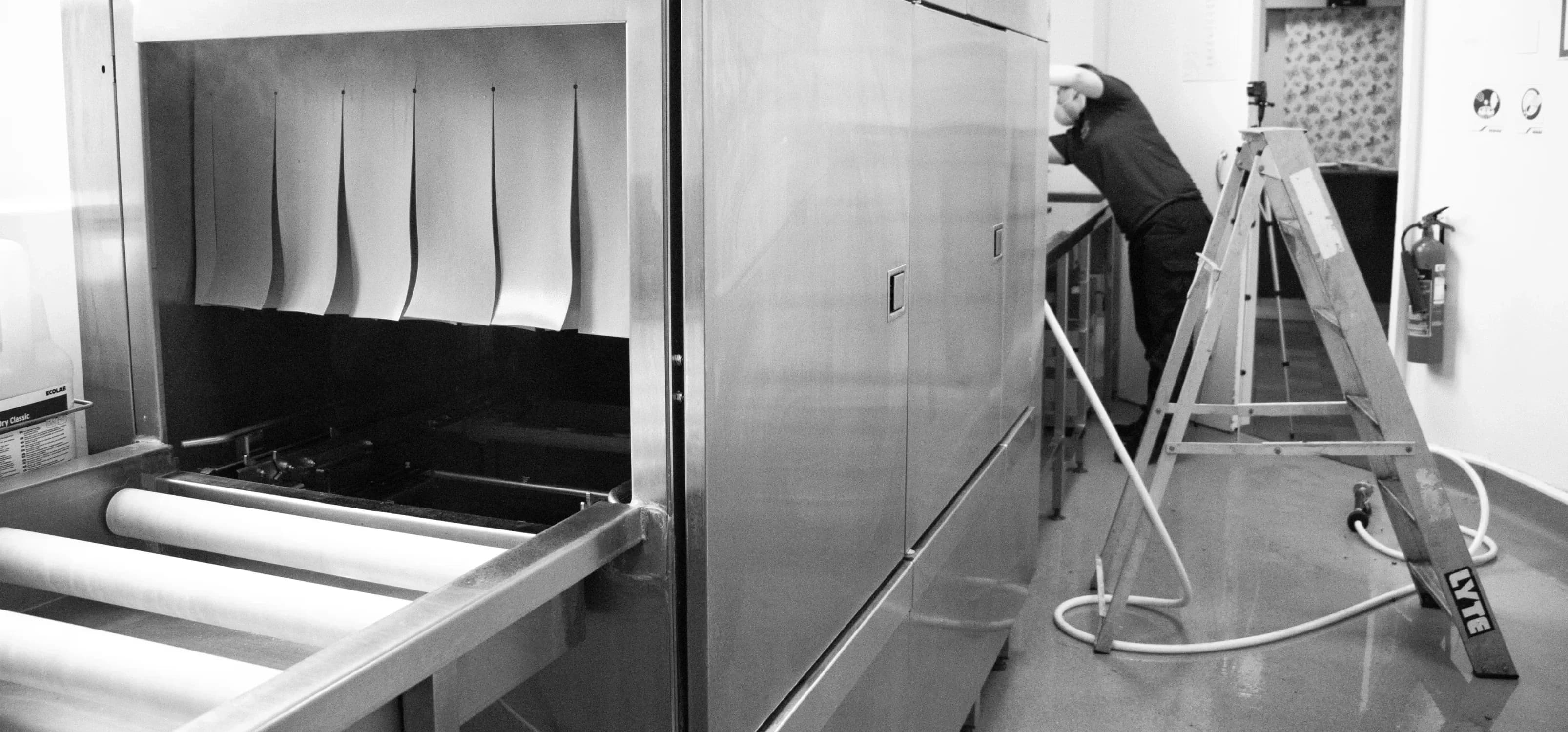
A kitchen deep clean goes far beyond daily routines. Professional deep cleaning reaches areas that are inaccessible during normal cleaning operations: the insides of ovens, grills, and fryers where carbon and grease deposits get baked on over time; behind and underneath heavy equipment that is rarely moved; wall tiles and grouting where grease migrates; floor drains and gullies where fat and food debris accumulate; cold room walls, ceilings, and shelving.
Deep cleaning uses professional-grade degreasing agents and specialist tools that are not typically available to kitchen staff. The process is systematic — working top to bottom, ensuring that every surface is degreased, rinsed, and sanitised to a standard that passes professional inspection and maintains high hygiene standards.
How Often Do You Need Each?
Regular cleaning happens every shift — typically at the end of each service, with occasional cleaning between meal services. This is carried out by the kitchen staff as part of their daily responsibilities.
Deep cleaning is carried out by specialist contractors at intervals determined by the kitchen's cooking regime and the standards required. High-volume kitchens in hotels, hospitals, or large restaurants may need monthly deep cleans. Moderate-use kitchens typically require a deep clean every 3 to 6 months. Light-use kitchens may only need deep cleaning annually. Your Environmental Health Officer may also specify a minimum frequency as part of your food hygiene rating conditions.
When a Deep Clean Becomes Urgent
Certain situations call for an immediate deep clean regardless of your schedule: before or after an EHO inspection, following a pest control or contamination incident, after building or renovation work. A deep clean is also advisable when you take over management of a kitchen from a previous operator, as you cannot be certain of the previous cleaning standards.
Both Are Essential
Regular cleaning and deep cleaning are complementary, not interchangeable. One cannot replace the other - a kitchen that is cleaned daily but never deep cleaned will gradually accumulate hidden grease and grime that creates hygiene and fire risks. A kitchen that is deep cleaned quarterly but poorly maintained between cleans will still have substandard hygiene.
At Bright, we provide professional deep cleaning services that work alongside your daily routines, ensuring your kitchen meets the standards expected by EHOs, insurers, and your own stakeholders.