Services
What Is Specialist Commercial Cleaning and Who Needs It?
What makes cleaning 'specialist', which sectors require it, and how it differs from standard commercial cleaning services.

Bright Hygiene • 3 min read
What Makes Cleaning 'Specialist'?
Specialist commercial cleaning refers to cleaning services that go beyond standard janitorial or routine cleaning, requiring specific technical knowledge, trained operatives, specialised equipment, and often compliance with industry-specific regulations or standards. It is not simply a more thorough version of regular cleaning — it addresses tasks and environments that standard cleaning companies are not equipped or qualified to handle.
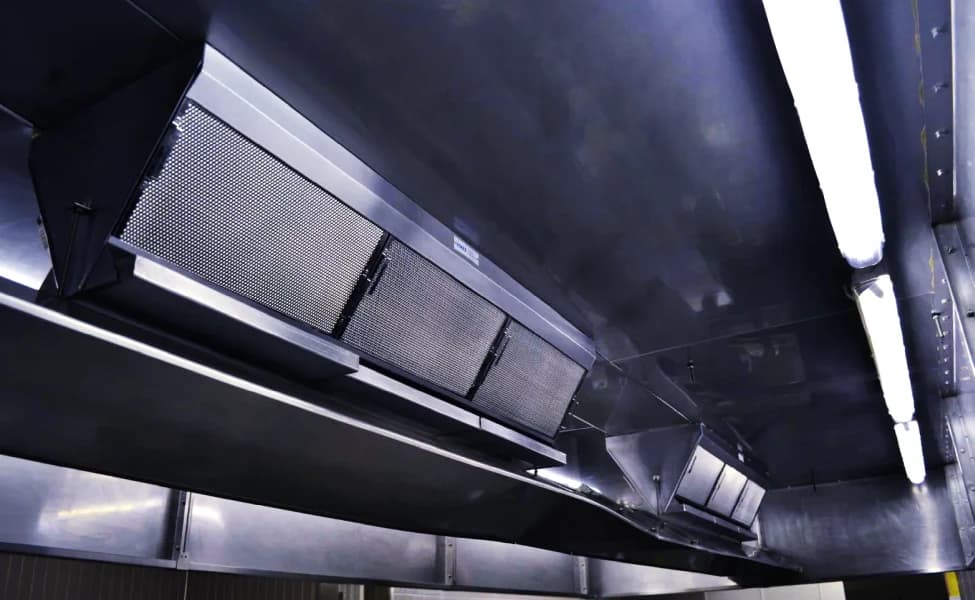
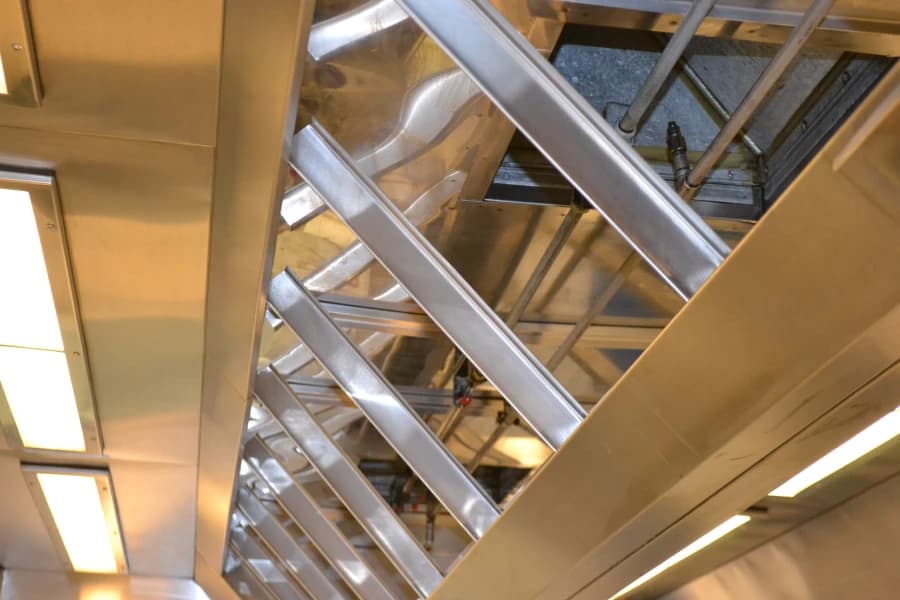
Examples include kitchen extract system cleaning (requiring TR19 Grease competence), high-level cleaning in industrial or large commercial spaces, post-construction or renovation cleaning, sanitisation and decontamination, and cleaning in sensitive or secure environments where vetting and specific protocols are required.
Sectors That Require Specialist Cleaning
Healthcare facilities — hospitals, care homes, and clinics — require specialist cleaning to meet infection prevention and control standards set by the Care Quality Commission. Cross-contamination risks are high, and cleaning must follow strict protocols to protect vulnerable patients.
Education settings — schools and universities — require specialist kitchen cleaning and sanitisation to maintain safe environments for children and young people. Secure sites — prisons, military installations, government buildings — require vetted personnel who can work within restricted areas and follow security protocols. The hospitality sector — hotels, restaurants, and event venues — relies on specialist cleaning to maintain the hygiene standards expected by EHOs and customers alike.
Qualifications and Accreditations
Specialist cleaning contractors should hold relevant industry qualifications and accreditations. For kitchen extract work, this means BESA-recognised TR19 Grease training. For work involving hazardous substances, COSHH awareness training is essential. For working at height, operatives should hold IPAF or PASMA qualifications to use access equipment as appropriate.
Broader business accreditations — such as SafeContractor, CHAS, or Constructionline — demonstrate that the company has been independently assessed for health and safety competence. DBS checks are essential for staff working in education, healthcare, or other sensitive environments. A specialist cleaning company should be able to provide evidence of all relevant qualifications without hesitation.
How Specialist Cleaning Differs from Standard Cleaning
Standard commercial cleaning typically covers daily tasks: vacuuming, mopping, surface wiping, waste removal, and washroom servicing. It is carried out by general cleaning operatives using standard equipment and products.
Specialist cleaning, by contrast, involves trained technicians using professional-grade equipment — i.e. industrial degreasers, specialist access equipment — to carry out tasks that require specific expertise. The documentation requirements are also different: specialist cleaning should always come with formal reports, certificates, and photographic evidence that standard cleaning does not typically provide.
Finding the Right Specialist Cleaning Partner
When selecting a specialist cleaning provider, look beyond price. Evaluate their training and qualifications, their experience in your specific sector, their documentation and reporting standards, and their ability to work within any specific constraints your environment presents — whether that is security vetting, out-of-hours working, or compliance with specific regulatory frameworks.
At Bright, we deliver specialist cleaning services across healthcare, education, hospitality, industrial, and secure site environments. Our technicians are trained, vetted, and equipped for the specific demands of each sector. If your environment requires more than standard cleaning can offer, we would be glad to discuss how we can help.