Compliance
HVAC Cleaning for Commercial Kitchens: A Complete Guide
A practical guide to HVAC cleaning in commercial kitchen environments — what needs cleaning, how often, and what standards apply.
Bright Hygiene • 3 min read
What HVAC Means in a Kitchen Context
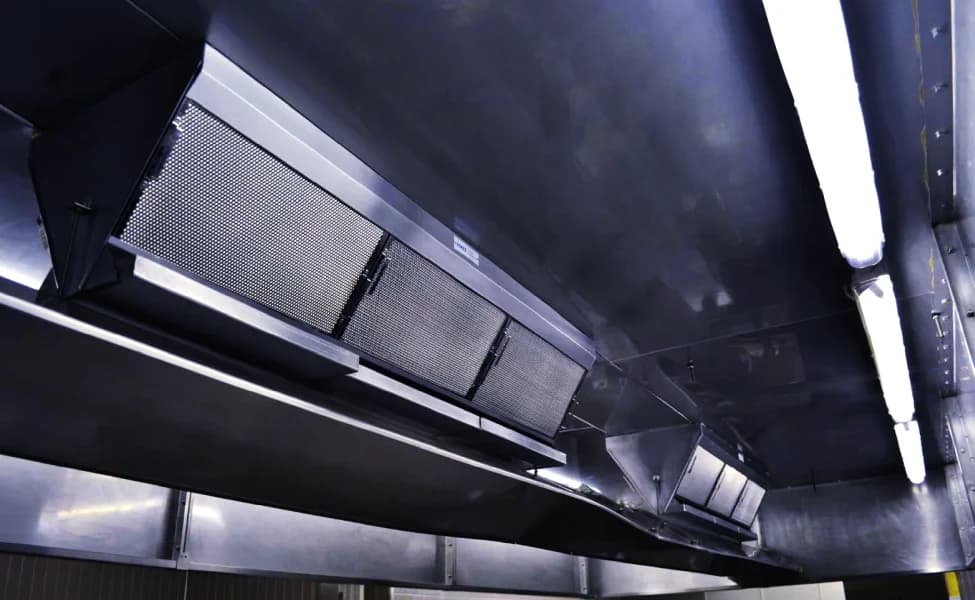
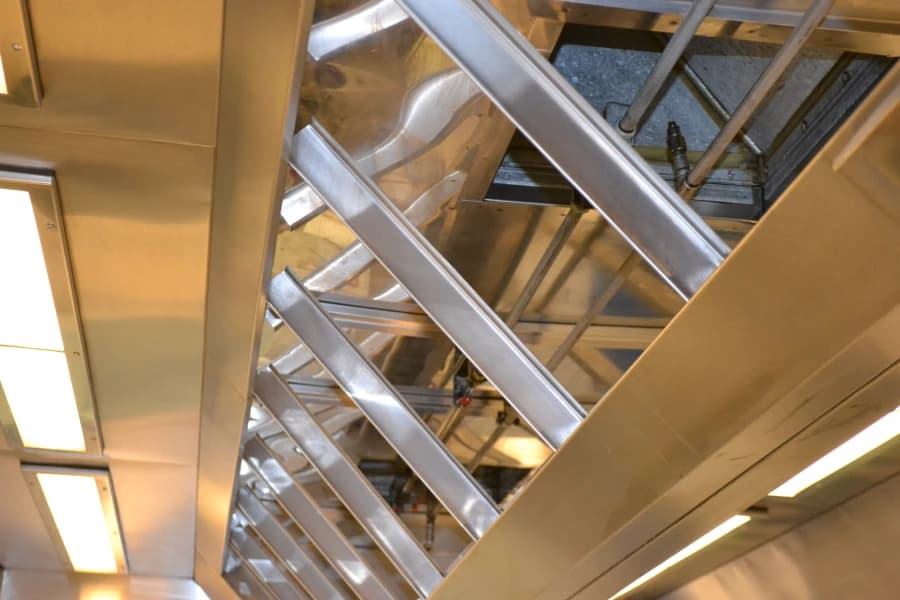
HVAC stands for heating, ventilation, and air conditioning. In a commercial kitchen setting, the HVAC system covers everything that controls the temperature, airflow as well as air quality within the kitchen and surrounding areas. This includes the kitchen’s grease extract ventilation system, the fresh air supply system (air handling units, supply ductwork), and any heating or cooling equipment that serves the kitchen facilities.
While the kitchen extract system gets the most attention due to fire risk, the supply-side HVAC components are equally important for maintaining a safe working environment as they ensure comfortable temperatures and compliant indoor air quality.
Which Components Need Cleaning?
A comprehensive HVAC cleaning programme for a commercial kitchen should cover the grease extract system from canopy to discharge point, supply ductwork and air handling units, heating and cooling coils within AHUs, supply and return grilles, diffusers, and dampers, as well as fan units on both the extract and supply sides.
Each component accumulates different types of contamination. Extract systems collect grease, whereas supply systems accumulate dust, fibres, and potentially microbial growth. Both require specialist cleaning techniques and products appropriate to the type of contamination.
What Standards Apply?
Two key BESA standards apply to HVAC systems within commercial kitchens. TR19 Grease covers the kitchen extract system — the grease-laden side — and focuses on fire risk management. TR19 Air covers general ventilation systems - including the clean air supply side — and focuses on indoor air quality and hygiene.
The Workplace (Health, Safety and Welfare) Regulations 1992 also requires that ventilation systems are maintained in an efficient state and good working order. The HSE's Approved Code of Practice makes clear that this includes keeping ventilation systems clean and free from anything that could contaminate the air supply to building users.
How Often Should HVAC Systems Be Cleaned?
Cleaning frequency varies by component. Kitchen extract systems should follow TR19 Grease schedules — typically every 3 to 12 months depending on cooking regimes. Supply-side systems, including AHUs and supply ductwork, should be inspected annually and cleaned when contamination exceeds satisfactory levels as defined by TR19 Air.
Signs that your HVAC system needs attention include reduced airflow or extraction performance, unusual odours from supply or extract vents, visible contamination on grilles or diffusers, increased energy consumption from fans and heating/cooling components. Ventilation provision should also be reviewed if complaints about temperature, air quality, or comfort are received from kitchen staff.
Getting Your HVAC System on a Maintenance Schedule
The most effective approach is a planned maintenance programme that covers all HVAC components on an appropriate cycle. This prevents problems from progressing, keeps your systems working efficiently, and ensures you always have the documentation needed for inspections and insurance.
At Bright, we provide both TR19 Grease extract cleaning and TR19 Air supply-side cleaning, covering the full HVAC system within commercial kitchen environments. We can survey your systems, recommend cleaning intervals based on your specific operation, and deliver a planned programme that keeps everything compliant and running effectively.