Compliance
TR19 Compliance: What Facilities Managers Need to Know
A practical guide to TR19 Grease compliance for facilities managers responsible for commercial kitchen extraction systems.
Bright Hygiene • 3 min read
What Is TR19 Grease?
TR19 Grease is a standalone specification published by the Building Engineering Services Association (BESA) in 2019. It specifically addresses fire risk management of grease accumulation within kitchen extraction systems. It is separate from TR19 Air, which was released in 2023 and covers general ventilation hygiene for indoor air quality.
While TR19 Grease is technically guidance rather than law, it is widely recognised by insurers, local authorities, fire services, and Environmental Health Officers as the benchmark for grease ventilation management in the UK. If your extract system does not meet TR19 Grease standards, you could face enforcement action, insurance issues, or both.
What TR19 Grease Covers
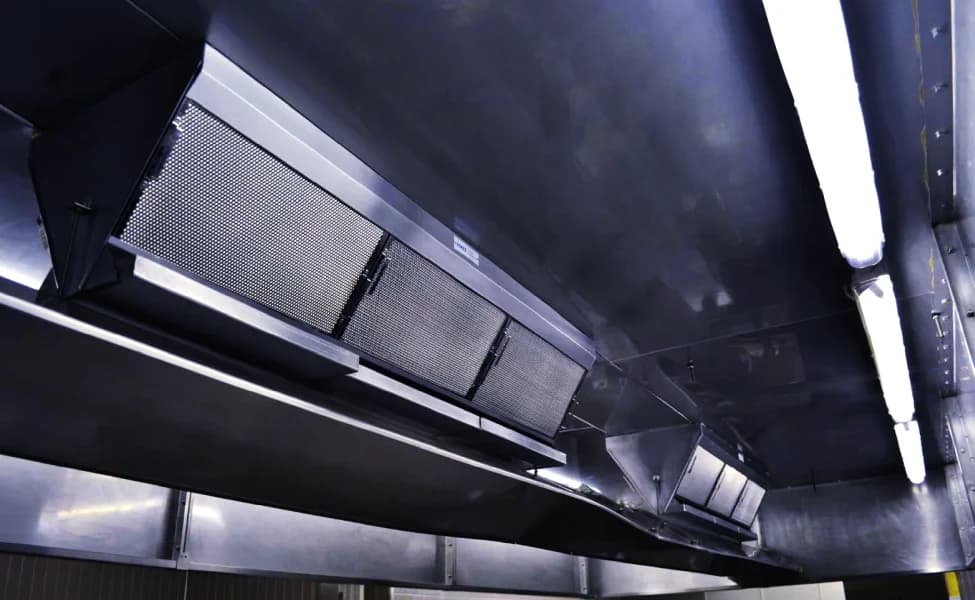
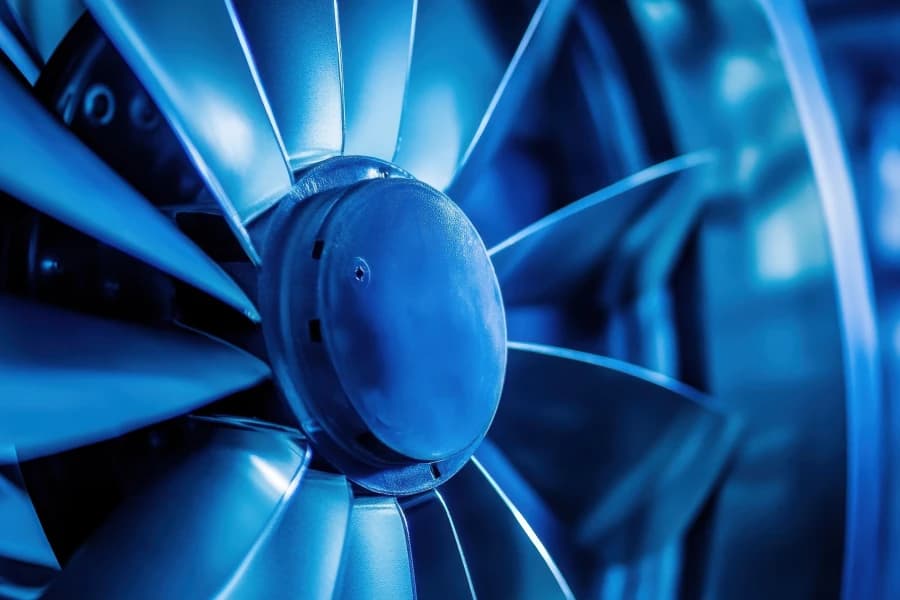
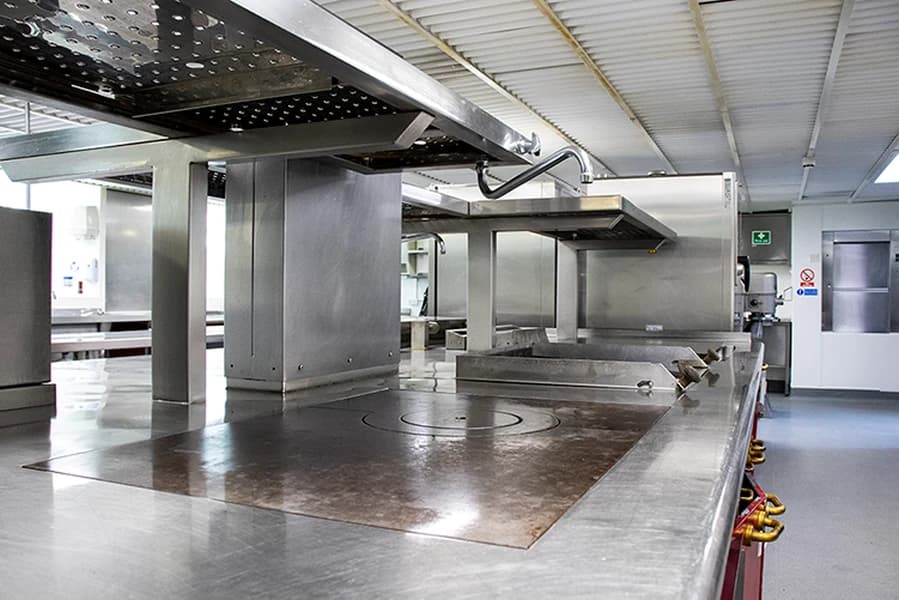
TR19 Grease addresses the entire extract system from canopy to discharge point. This includes canopies and grease filters, ductwork (both horizontal and vertical runs), extract fans and motors, access panels and hatches, and the external discharge point.
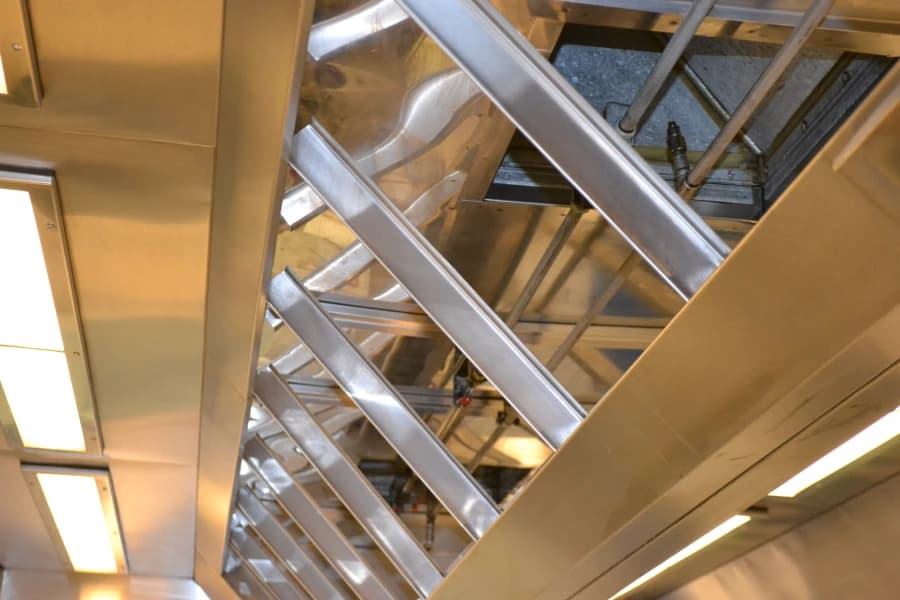
The standard requires that all these components are maintained in a clean condition, with mean grease deposits measuring less than 200 microns throughout the system. If the mean average of deposits exceeds this threshold, the full system should be cleaned. If a singular reading exceeds 500 microns is recorded, immediate localised cleaning is required to this area. Post-clean verification must confirm levels below 50 microns using a Deposit Thickness Test (DTT) or Wet Film Thickness Test (WFTT). TR19 Grease also sets requirements for adequate access panels, so that the system can be properly inspected and cleaned.
Your Responsibilities as a Facilities Manager or Responsible Person
As a facilities manager, you may well be responsible for ensuring that grease ventilation systems are cleaned to TR19 Grease standards at appropriate intervals. This means appointing a competent specialist contractor, establishing a cleaning schedule based on hours of operation and risk assessment, ensuring the contractor provides photographic before-and-after reports, retaining all cleaning certificates and reports for inspection, and addressing any remedial work identified during cleaning.
You may not need to understand the technical details of ductwork cleaning methods. However, you may need to ensure that whoever you contract does, and that they can demonstrate TR19 Grease compliance in their work and reporting.
Common Pitfalls
Common mistakes include: companies cleaning only the visible parts (canopy and filters) while neglecting the ductwork behind, using general cleaning contractors who are not trained or equipped for grease extract work, not keeping records of cleaning history, and ignoring access panel requirements that make future cleaning impossible or incomplete.
Any of these can leave you exposed in the event of a fire, an insurance claim, or an inspection.
How Bright Can Help
Bright Hygiene has been delivering TR19-compliant grease ventilation cleaning for nearly 30 years. We provide full system cleaning from canopy to exhaust with photographic reports documenting the condition before and after, risk-based scheduling recommendations, and ongoing support with compliance documentation.
If you manage commercial kitchens and want to make sure your extract systems are properly maintained, do get in touch for no-obligation site survey.