Fire Safety
How Grease Builds Up in Extract Systems and What It Means for Fire Safety
How grease accumulates inside kitchen extract systems, where it collects, and why it represents a serious fire risk that regular cleaning prevents.
Bright Hygiene • 3 min read
How Grease Gets Into the Extract System
Every cooking process that involves fat or oil generates airborne grease particles. Frying, grilling, roasting, and even boiling release microscopic fat droplets and vapour that rise from the cooking surface and are drawn into the grease extract by the fan unit within the system.
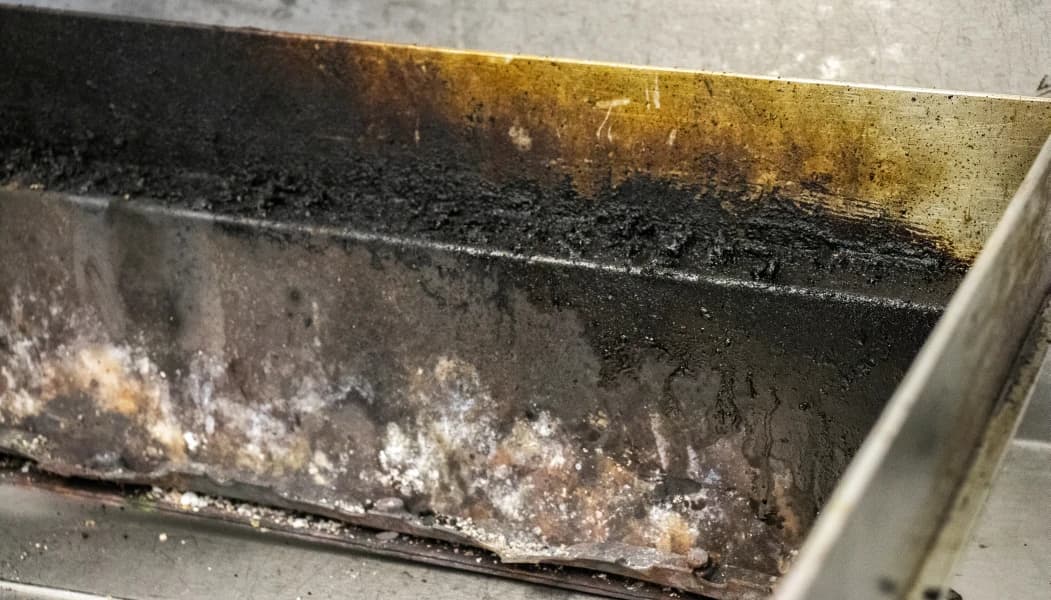
Canopy filters capture a significant proportion of these grease particles, but no filter is 100% efficient. The grease that passes through the filters enters the system as a fine, sticky vapour that condenses on the cooler internal surfaces of the ductwork. Over days, weeks, and months, this condensed grease builds into thick, adhesive deposits that line the extract system.
Where Grease Collects
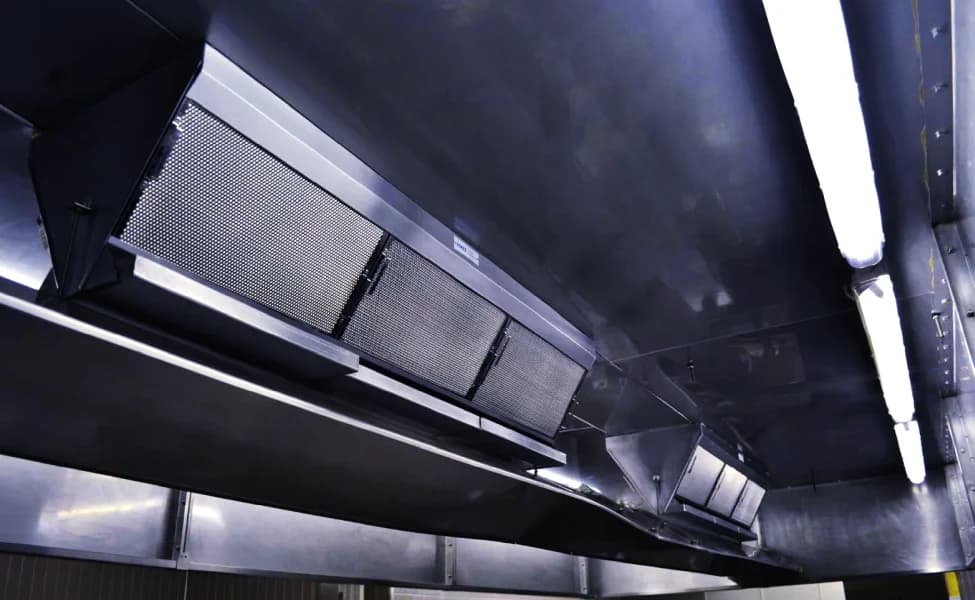
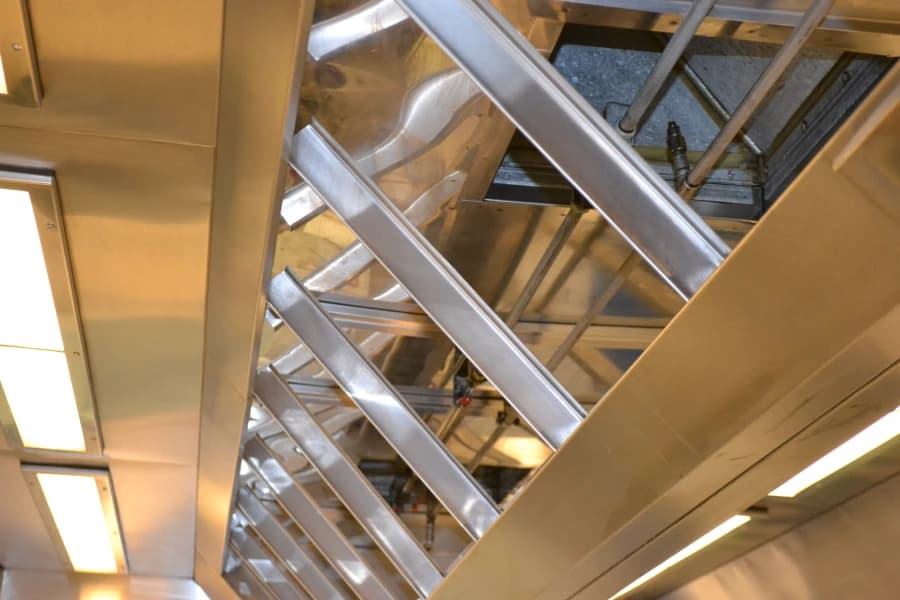
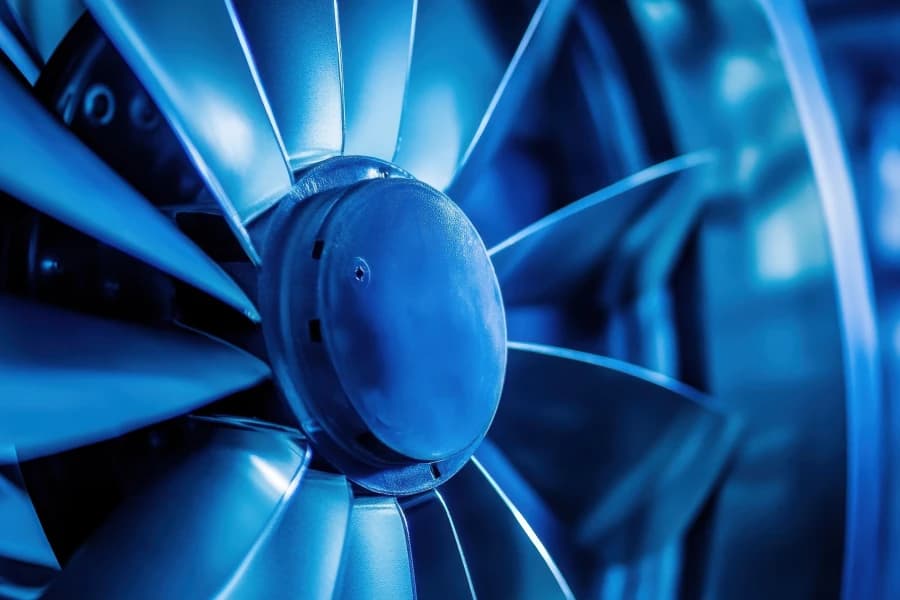
Grease accumulates throughout the extract system, but certain areas collect more than others. The canopy interior and filter housing collect the heaviest deposits, as they are closest to the cooking source. Grease accumulates on the bottom surface of horizontal ductwork where gravity assists. Changes of direction in the ductwork — bends, junctions, and offsets — also create turbulence that causes grease to deposit more heavily. Grease build-up on fan blades and housings also impairs balance and performance. Grease also tends to gather considerably at the discharge point and any external louvres.
The areas of greatest concern are those you cannot see — the internal surfaces of ductwork that run through solid ceiling voids, inaccessible risers, and across pitched roofs. This is where grease builds up unseen and unchecked.
The Fire Ignition Chain
A grease fire in an extract system follows a predictable chain. A flame, spark, or source of extreme heat from the cooking surface below enters the extract system.
Once the grease inside the ductwork catches fire, the system effectively becomes a chimney. The fire travels along the duct, fuelled by grease deposits on every surface, with the ductwork channelling it through ceiling voids, walls, and across the roof. As the fire is contained within the duct, it can spread significant distances before it becomes visible, thus making detection and suppression extremely difficult.
The Statistics Behind Kitchen Extract Fires
Data consistently shows that kitchen extract systems are one of the leading causes of commercial kitchen fires. Around 70% of fires in commercial kitchens originate in faulty or poorly maintained extract ventilation systems. The London Fire Brigade reports a kitchen extract ductwork fire approximately every 9 days in Greater London alone.
These fires cause significant property damage, business interruption, and in the worst cases, injury or death. Many result in total loss of the premises. Insurance claims are frequently disputed or rejected where the policyholder cannot demonstrate that the grease extract system was regularly cleaned and maintained.
Prevention Through Regular Cleaning
The single most effective fire prevention measure for kitchen extract systems is regular professional cleaning to TR19 Grease standards. This removes the fuel — the grease — before it reaches levels that present a fire risk. TR19 Grease requires that grease deposits are maintained below an average of 200 microns and that post-clean verification confirms levels below 50 microns.
At Bright, we clean the full extract system from canopy to discharge point, removing grease from every accessible surface and providing the documented evidence you need for insurance and fire safety compliance. If you are concerned about grease build-up in your system, contact us for a no-obligation survey.