Services
What Is Canopy Cleaning and Why Does Your Kitchen Need It?
A practical guide to kitchen canopy cleaning — what it involves, how often it's needed, and why neglecting it puts your kitchen at risk.
Bright Hygiene • 3 min read
What Does a Kitchen Canopy Actually Do?
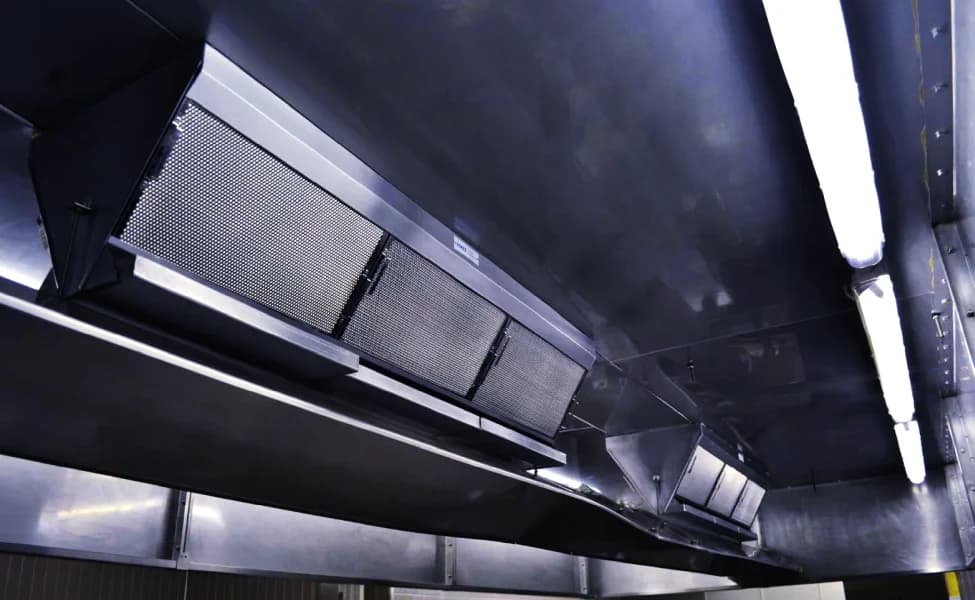
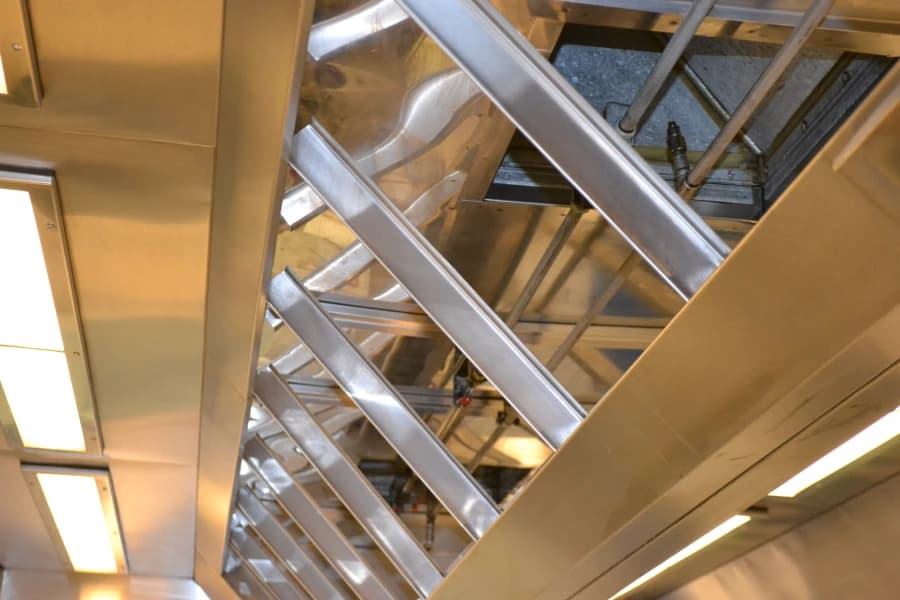
A kitchen extract canopy — sometimes called an extraction hood or exhaust canopy — is often positioned above your cooking equipment, capturing steam, smoke, heat, and airborne grease generated during cooking. It represents the first stage of your kitchen's extract ventilation system, directing contaminated air into the ductwork and out of the building.
Within the canopy, grease filters trap a proportion of the grease particles before they enter the ductwork. The canopy also houses lighting and, in more recent installations, a fresh air supply. Without a properly functioning extract canopy, your kitchen would quickly fill with smoke, grease-laden vapour, and excessive heat.
How Grease Builds Up in Canopies
Every time cooking takes place, grease particles become airborne and are drawn upward by the fan unit within the grease extract system. While the filters capture a significant proportion, no filter is 100% efficient. Over time, grease builds up on the canopy's internal surfaces, filter housings, lighting diffusers, as well as in the guttering / collection channels.
This build-up is progressive. In a busy kitchen cooking 12 or more hours a day, canopy surfaces can become visually greasy within weeks. The grease that collects is not just unsightly — it is flammable, harbours bacteria, and reduces the efficiency of the entire extraction system by restricting airflow.
How Often Should Canopies Be Cleaned?
Canopy filters should be cleaned regularly as part of your routine kitchen maintenance regime. However, the extract canopy itself — including internal surfaces, gutters, and the area behind the filters — requires professional cleaning at regular intervals and these can be dictated by your building’s insurance.
TR19 Grease, the UK industry guidelines published by BESA, recommends cleaning frequencies based on daily hours of cooking: every 3 months for heavy-use kitchens (12–16 hours), every 6 months for moderate use (6–12 hours), and every 12 months for light use (2–6 hours). These intervals apply to the full extract system, but the canopy is the most accessible component and often the first to show visible signs of soiling.
TR19 Grease and Canopy Compliance
Under TR19 Grease, the canopy is assessed as part of the complete extract system. During a professional clean, grease deposits on canopy surfaces are to be measured using a Deposit Thickness Test (DTT) or Wet Film Thickness Test (WFTT). Deposits exceeding 500 microns trigger a requirement for immediate localised cleaning and the full system is due to be cleaned when the mean average reading exceeds 200 microns. Post-clean measurements should confirm grease levels to be below 50 microns.
Environmental Health Officers and fire risk assessors may examine the canopy during inspections. A visibly greasy canopy is an immediate indicator of poor maintenance and can result in reduced Food Hygiene Ratings, or issues with your insurance cover.
The Consequences of Neglect
A canopy that is not cleaned nor maintained properly does more than provide an eye-sore, as grease accumulation reduces efficiency of the system and increases fire risk. Reduced airflow forces fans to work harder, increases energy costs and accelerates the wear on mechanical components. Bacteria and mould can also colonise grease deposits, creating a biological hazard directly above food preparation areas.
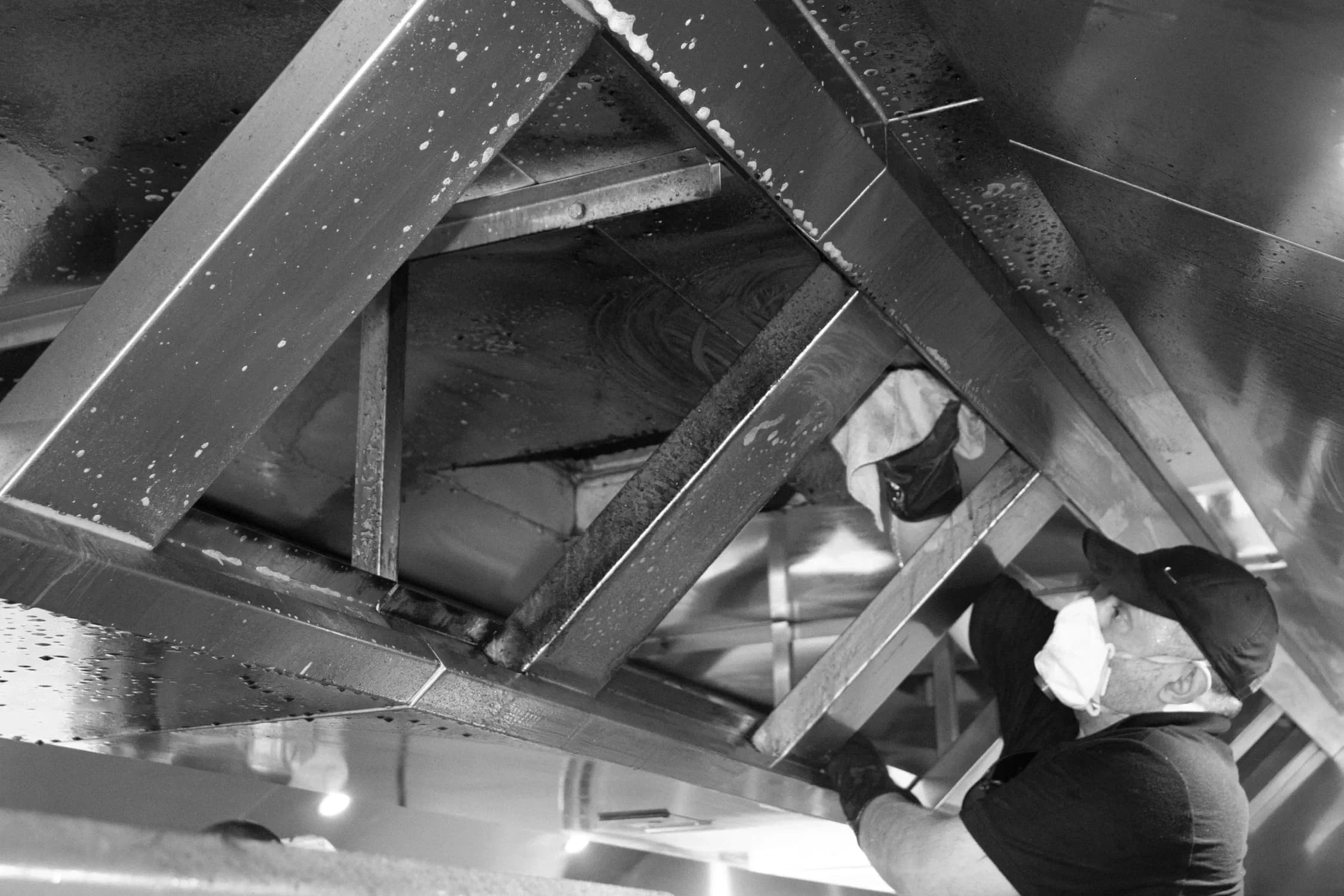
At Bright, we clean canopies as part of a full extract system service, ensuring that every surface — from the canopy face to the discharge point — meets TR19 Grease standards. If your canopy is overdue for attention, get in touch for a no-obligation survey.