Fire Safety
The Fire Risk Hiding in Your Kitchen Ductwork
Grease-laden ductwork is a leading cause of commercial kitchen fires. Here's what you need to know about the risk and how to manage it.
Bright Hygiene • 2 min read
A Hidden Hazard
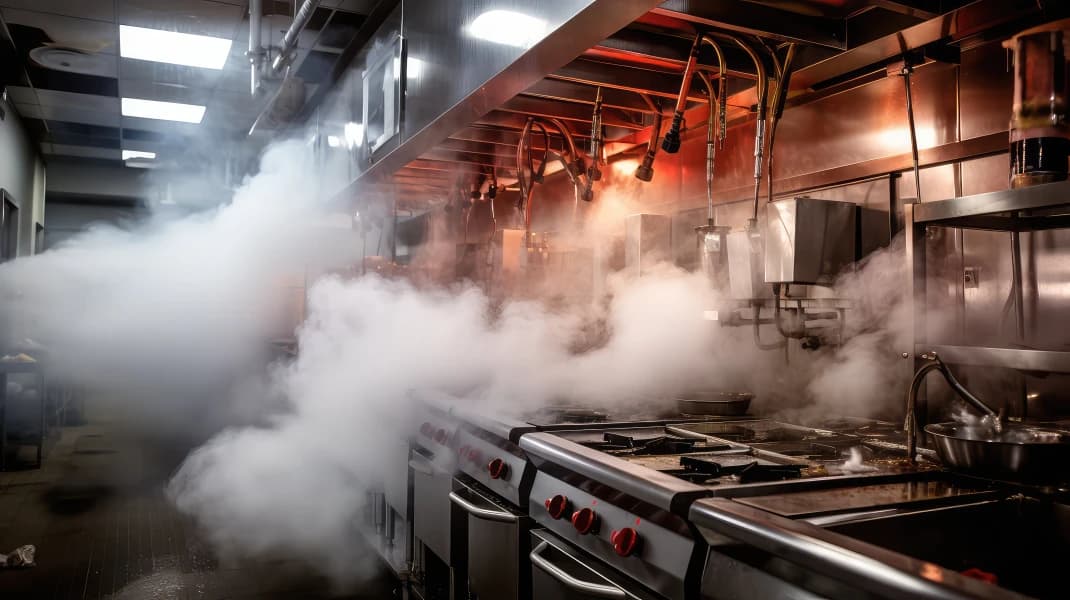
Kitchen fires are one of the most common causes of commercial property damage in the UK. What many operators do not realise is that the greatest fire risk is often not on the stove — it is within the ductwork above it.
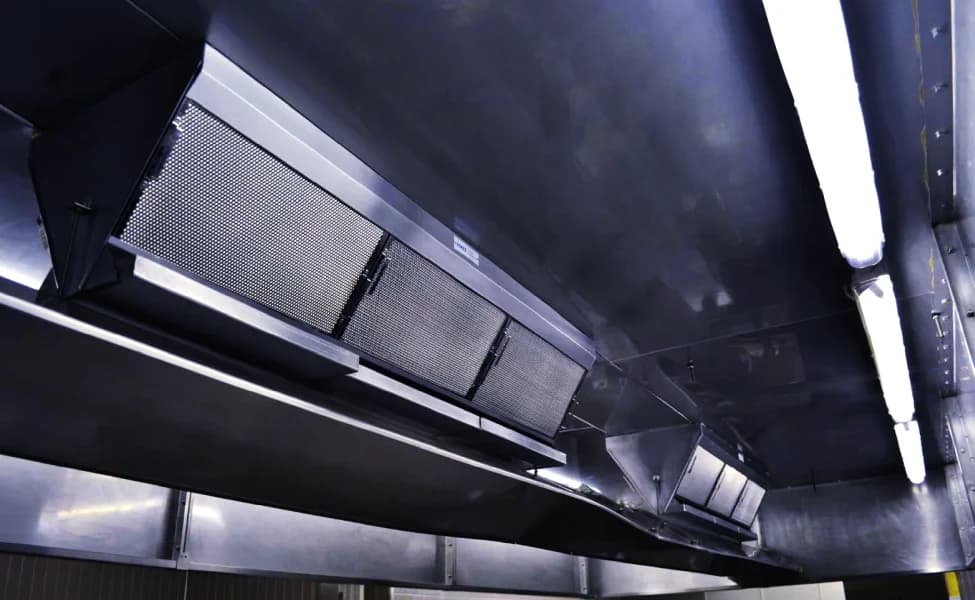
Grease deposits gather on the internal surfaces of grease ventilation systems over time. No filtration system is 100% effective, therefore grease inevitably travels through the filter bank and into the ductwork, where it builds up unseen.
The Statistics
According to fire service data, around 70% of fires in commercial kitchens originate in faulty or poorly maintained grease extract ventilation systems. The London Fire Brigade reports a kitchen extract ductwork fire on average every 9 days in the Greater London area alone.
These are not minor incidents and their impact is rarely restricted to the Kitchen. Once grease within ductwork ignites, fire can spread rapidly through the system, spreading into upper floors, roofs and adjoining premises.
The Regulatory Reform (Fire Safety) Order 2005
Under the Regulatory Reform (Fire Safety) Order 2005 (the RRO), the 'Responsible Person' for a premises — typically the building owner, or managing agent — has a legal duty to carry out a fire risk assessment and take steps to reduce the risk of fire as far as is reasonably practicable.
A grease ventilation system is a foreseeable fire hazard. Failing to maintain it to an acceptable standard could be considered a breach of the RRO. If more than five people are employed, the fire risk assessment must be recorded in writing.
How Grease Fires Start
Grease deposits within ductwork can ignite through sparks or embers drawn into the extract system, direct flame contact from cooking, radiant heat from cooking equipment below, or electrical faults in fan units or wiring within the duct run.
Once ignited, the grease acts as fuel and the ductwork channels the fire along the entirety of the system, and because it runs behind walls and through ceiling voids, the fire can spread to areas throughout a property.
Reducing the Risk
The single most effective way to reduce kitchen extract fire risk is regular and thorough cleaning to TR19 Grease standards. This removes the fuel — the grease — from the system before it presents a fire hazard.
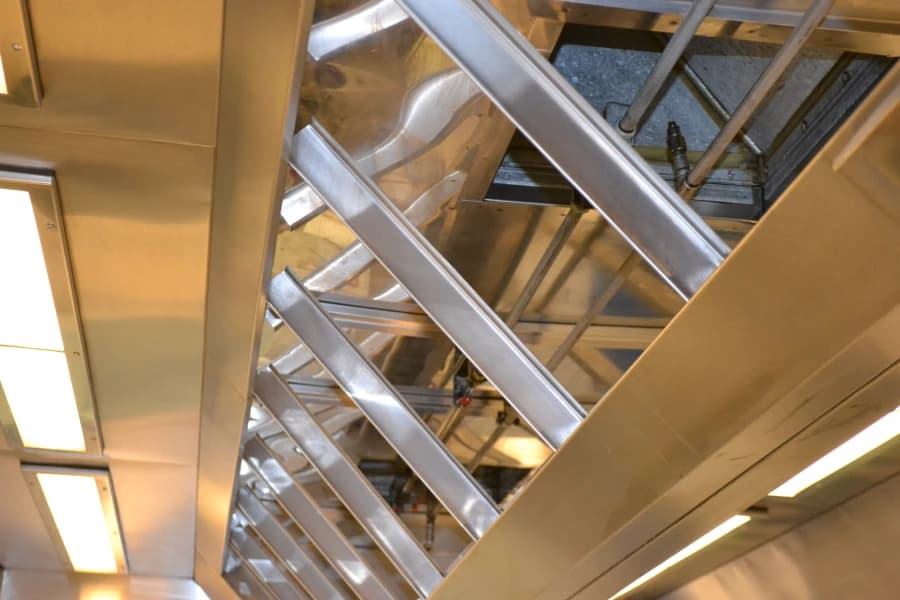
Beyond cleaning, ensure your system has adequate access panels for access, that baffle filters, as opposed to mesh, are installed as they provide greater filtration, and that your fire risk assessment specifically addresses the grease extract system. Your insurer will expect documented evidence of all of this.