Compliance
Why Access Panels Matter for Kitchen Extract Compliance
Without proper access panels, your ductwork cannot be cleaned or inspected to TR19 Grease standards. Here's why they matter and what TR19 requires.
Bright Hygiene • 2 min read
The Problem with Inaccessible Ductwork
If your grease ventilation ductwork does not have sufficient access panels, it cannot be properly cleaned or inspected. This means grease will build up unchecked, creating a fire hazard that no amount of cleaning to accessible sections, such as the canopy, will address.
It is one of the most common issues we find with grease extract systems: ductwork that was installed without sufficient access, or where access panels have been put into the system, other services, fixtures or fittings have since been installed that now obstruct access to the system.
What TR19 Grease Requires
TR19 Grease states that: "a kitchen extract ductwork must be provided with access panels of sufficient number, quality, and size to enable unrestricted access for regular cleaning and inspection of the internal surfaces and in-line components."
As a general rule, access openings are required at a maximum of 2-metre intervals, at each change of direction in the ductwork and both sides of in-line components. The panels themselves must be constructed from the same material as the ductwork as well as fitted with quick-release catches, sealing gaskets.
What Happens Without Proper Access
If sections of your system remain inaccessible, your cleaning contractor cannot clean them — and therefore cannot certify the full system as compliant. This means your certificate may note exclusions, which may not satisfy your insurer or the fire service.
In practice, inaccessible ductwork means there are unknown grease levels within hidden sections and therefore only incomplete cleaning that leaves fire risks unaddressed can be carried out. Potential issues might surface during insurance claims or fire safety audits, and the system that cannot pass a full TR19 Grease inspection.
Getting It Fixed
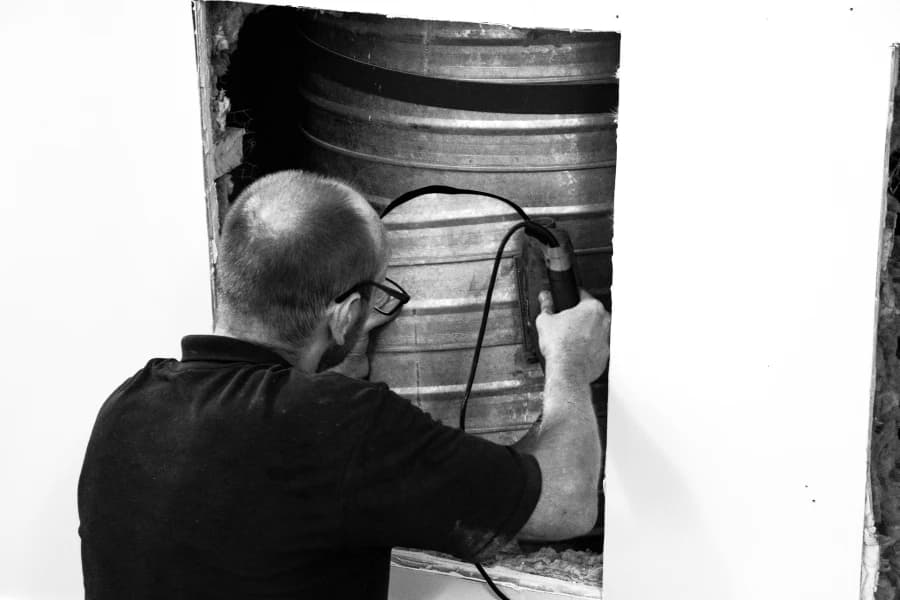
Installing access panels retrospectively to existing ductwork is a straightforward task for most systems. A specialist contractor should be able to survey the system in its entirety, identify where additional panels are required, and install them to TR19 Grease specifications. However, if a grease ventilation system is fabricated with fire-rated ductwork, some of these manufacturers insist on only allowing approved suppliers to install panels within their ductwork. Furthermore, post-installation inspections may be required by the manufacturer that can incur further costs.
If you are planning a new kitchen or refurbishing an existing one, ensure that adequate access within the grease extract system is specified from the outset. It is far simpler and more cost effective to have the system installer put in access panels during construction than to contract another supplier to retrofit them later. At Bright, we identify access issues during our surveys and can suggest solutions to improve the access within your system.