Maintenance
5 Signs Your Grease Extract System Needs Professional Cleaning
Don't wait for an inspection failure or insurance issue. Here are five warning signs that your kitchen extract system is overdue for a professional clean.
Bright Hygiene • 2 min read
1. Visible Grease Build-Up on Canopy Surfaces
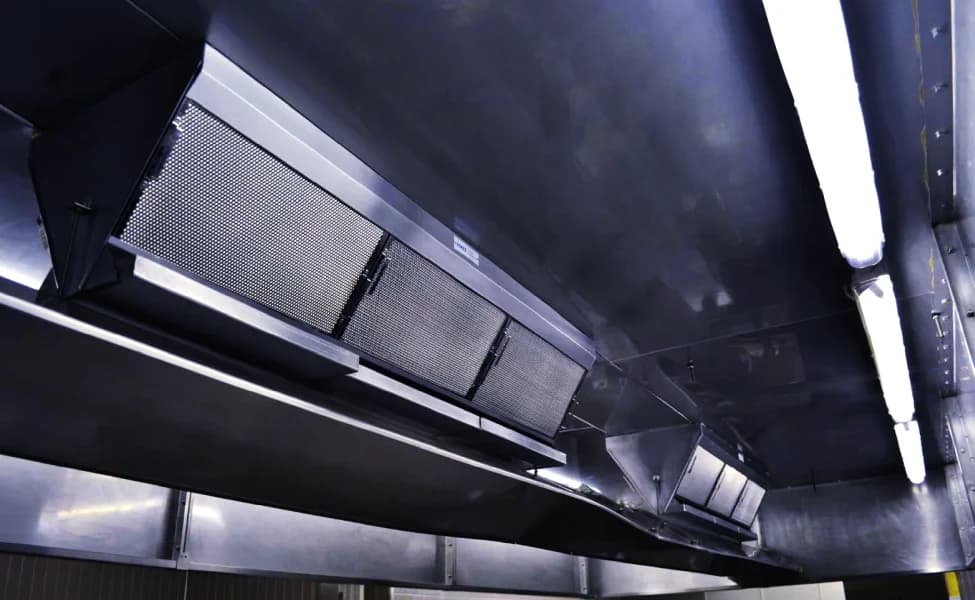
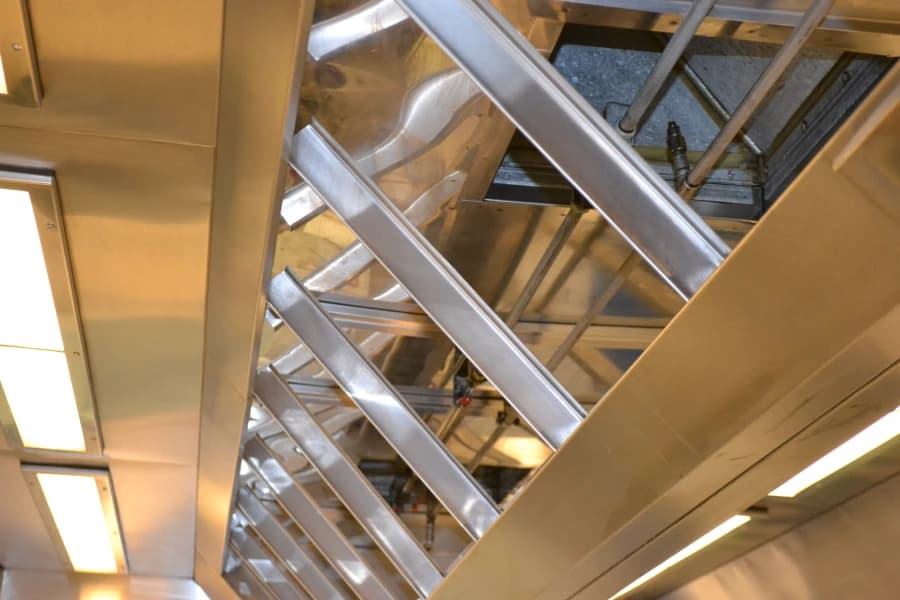
If you can see grease accumulating within the canopy hood, the inside of the ductwork is almost certainly worse. As the fan unit pulls the majority of grease-laden vapour through the system, there is often a much larger problem hidden behind access panels and inside ductwork.
A sticky, yellowed canopy is not just an eye-sore, it is a direct indicator that the system is overdue for a professional deep clean.
2. Reduced Airflow or Extraction Performance
When your Chef and their team report that the extraction is insufficient, or you notice more steam lingering in the kitchen than usual, it suggests that airflow of the system has been restricted. This can be due to a number of factors including grease build-up within the ductwork, an access panel not being replaced properly or an issue with the fan unit.
A poor working environment can be the result of reduced extraction that can affect staff retention as well as increasing energy costs as fans units have to work harder and will require servicing or replacing sooner.
3. Persistent Unpleasant Odours
Aged grease deposits decompose over time and can produce unpleasant smells that can then travel into customer dining areas.
If your kitchen has a lingering greasy smell even after thorough cleaning of cooking surfaces and floors, the grease extract system itself may well be the source.
4. Grease Dripping from Ductwork or Fan Units
Grease dripping from joints and seals of the ductwork, or the fan unit itself, can be a serious warning sign and can be a sure sign that the system is heavily contaminated. Dripping grease is a fire risk, a hygiene hazard, and a clear sign of an insufficient cleaning regime.
5. You Can't Remember the Last Time It Was Cleaned
If you cannot locate a document showing when the grease extract system was last professionally cleaned, it is most likely that it is overdue. TR19 Grease requires documented cleaning histories, and insurers expect evidence of regular maintenance and there is a minimum statutory requirement to have grease ventilation systems deep cleaned every 12 months.
The external of a grease ventilation system may appear in good condition, however grease deposits within ductwork can reach dangerous levels over time. Therefore a survey by an industry professional will advise on the condition of your system and suggested actions.
If any of these signs sound familiar, contact Bright Hygiene for a no-obligation survey. Our experts will assess your system, suggest a suitable course of action, and get you back on track with a compliant cleaning schedule.