Compliance
Preparing Your Commercial Kitchen for an EHO Inspection
What Environmental Health Officers look for during a kitchen inspection, and how to make sure your premises are ready.
Bright Hygiene • 2 min read
What Is an EHO Inspection?
Environmental Health Officers (EHOs) carry out inspections of commercial kitchens to evaluate hygiene standards, food safety management, and the physical condition of the kitchen. These inspections may be scheduled but can also take place unannounced, with the results directly affect your Food Hygiene Rating.
EHO inspections assess three main areas: your food safety management procedures, how hygienically you handle food, and the structural and physical condition of the premises — including cleanliness, ventilation, and pest control.
What They Check: Premises Condition
EHOs assess cleanliness of walls, floors, ceilings, and equipment. They check the condition of ventilation systems, lighting, layout, and workflow, and look for signals of pest activity.
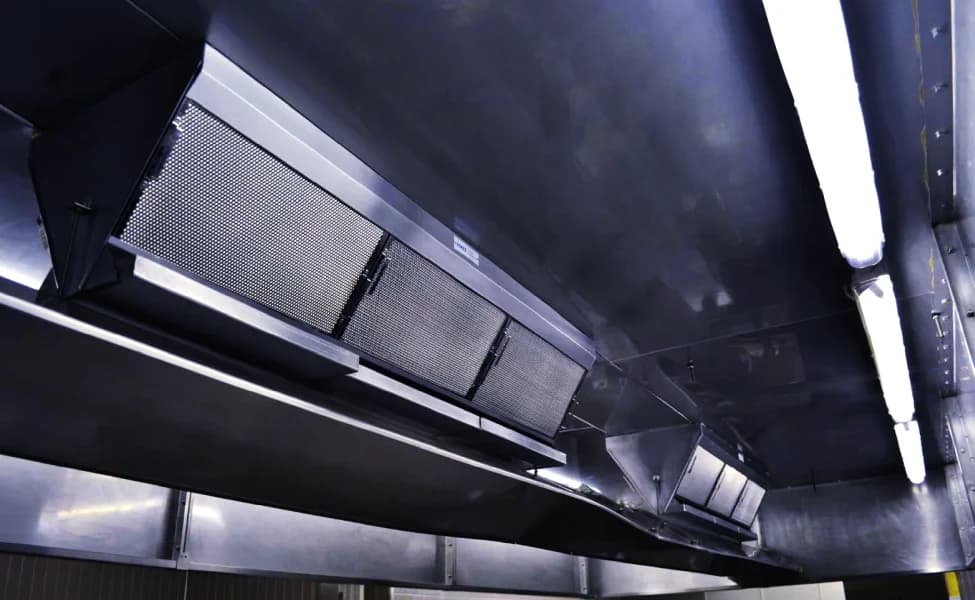
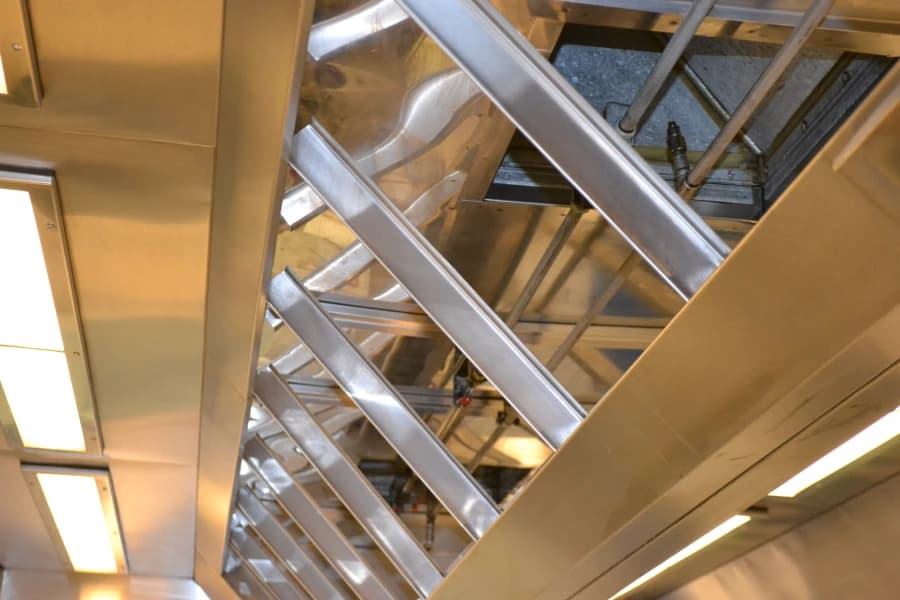
A kitchen may look clean on the surface but if it has greasy extract canopies, blocked filters, or a visibly dirty extract system, marks will be lost in this area.
What They Check: Food Safety Management
EHOs visits check your food safety management system, which should be based on HACCP (Hazard Analysis and Critical Control Points) guidelines. They will want to see documented food handling procedures, cleaning schedules, temperature records, and evidence that staff have taken part in the requisite food hygiene training.
Allergen management and staff training records are becoming increasingly examined. This is the result of several recent, high-profile incidents.
How Cleaning Affects Your Rating
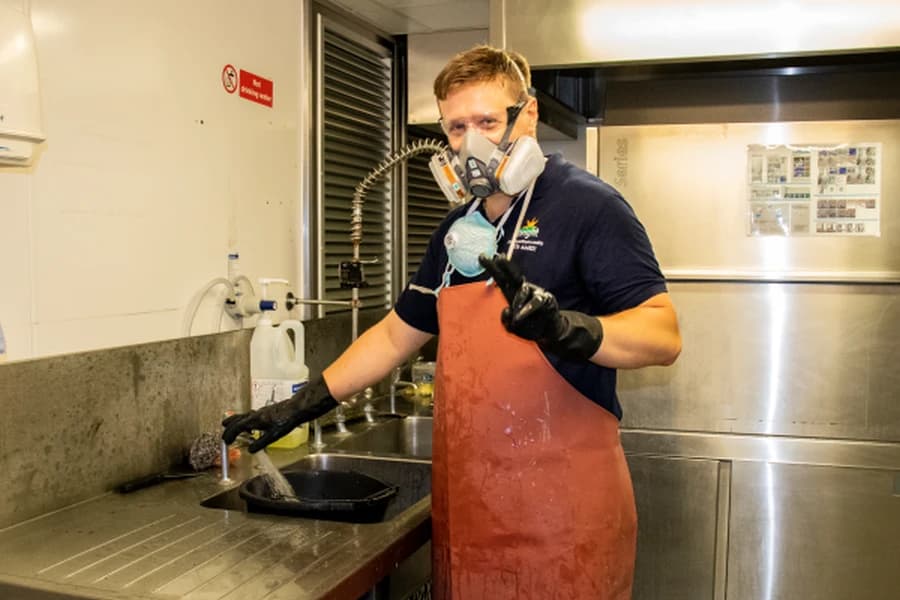
As mentioned earlier, the cleanliness of your premises, including back of house areas, absolutely influences your Food Hygiene Rating. A professional deep clean prior to an inspection can ensure that areas behind and underneath equipment are spotless and the cooking equipment itself is free of grease and grime. There is also attention regularly paid to and storage areas, so it pays for these to be kept hygienic.
Rather than a last-minute scramble to arrange a clean before an inspection or audit comes around, it is certainly recommended to instead oversee a suitable deep-cleaning regime throughout the year.
Documentation Matters
Environmental Health Officers expect you to demonstrate your cleaning and maintenance regime by showing them records of all professional cleaning you have had carried out — ventilation and deep cleaning certificates, pest control reports, and equipment servicing.
At Bright, every clean comes with documentation that can be presented during an inspection, demonstrating that your kitchen is being kept to a professional standard.