Fire Safety
The Responsible Person's Guide to Kitchen Extract Fire Safety
Under the Regulatory Reform (Fire Safety) Order 2005, the Responsible Person has legal duties around fire risk — including kitchen extract systems.
Bright Hygiene • 2 min read
Who Is the Responsible Person?
The Regulatory Reform (Fire Safety) Order 2005 (the RRO) applies to all non-domestic premises in England and Wales. Under this legislation, the 'Responsible Person' has a legal duty to assess fire risks and take reasonable steps to reduce them.
The Responsible Person is typically the employer, building owner, landlord, or managing agent — whoever has control over the premises. In multi-tenanted buildings, there may be more than one Responsible Person, each responsible for the areas under their control.
Your Fire Risk Assessment Must Cover the Extract System
The RRO requires a suitable and sufficient fire risk assessment. For any premises with a commercial kitchen, this assessment must specifically address the kitchen extract system as a fire hazard.
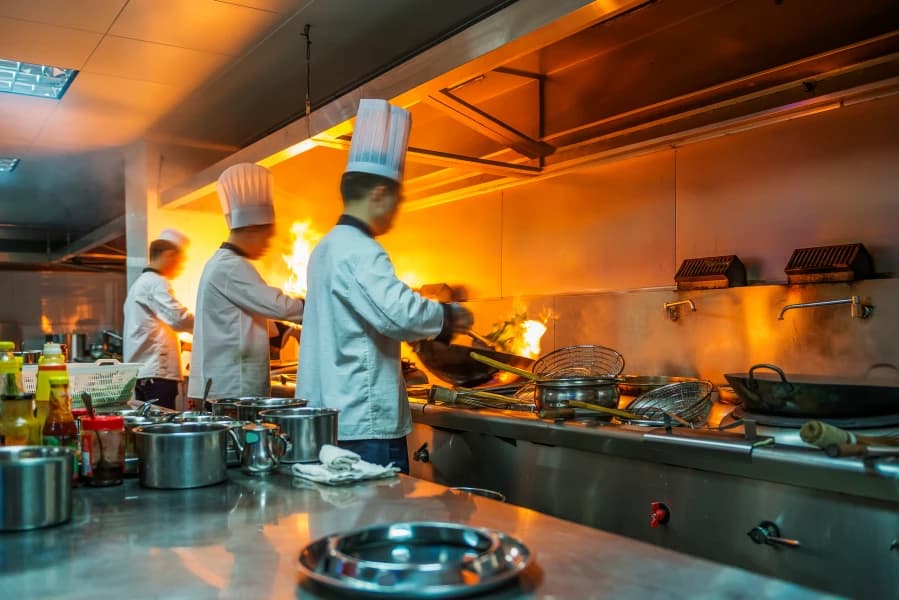
Around 70% of commercial kitchen fires originate in extract ventilation systems. If your fire risk assessment does not address the condition and maintenance of the grease ventilation, it may not be suitable or sufficient under the legislation. If you employ five or more people, this assessment must be recorded in writing.
What 'Reasonable Steps' Look Like
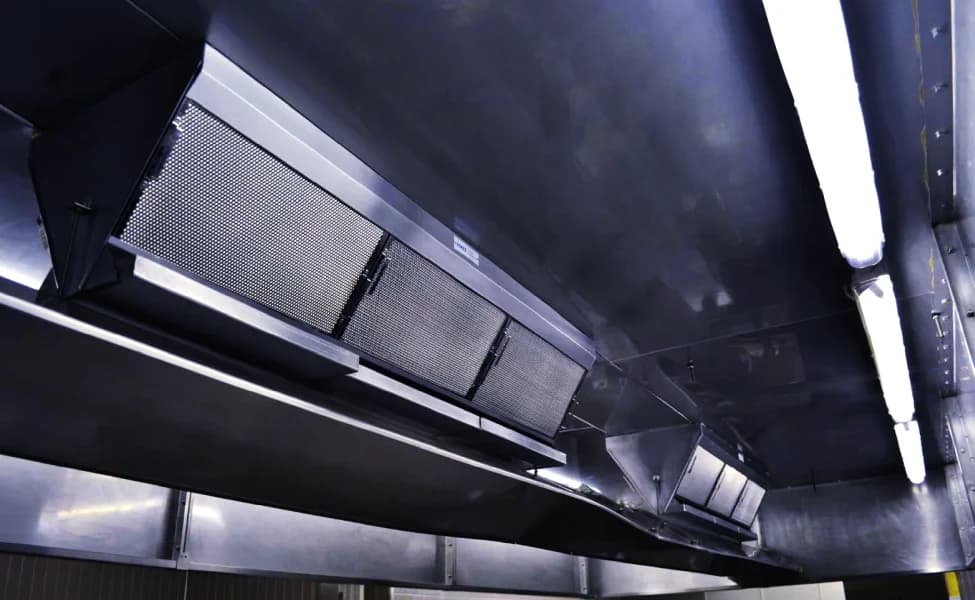
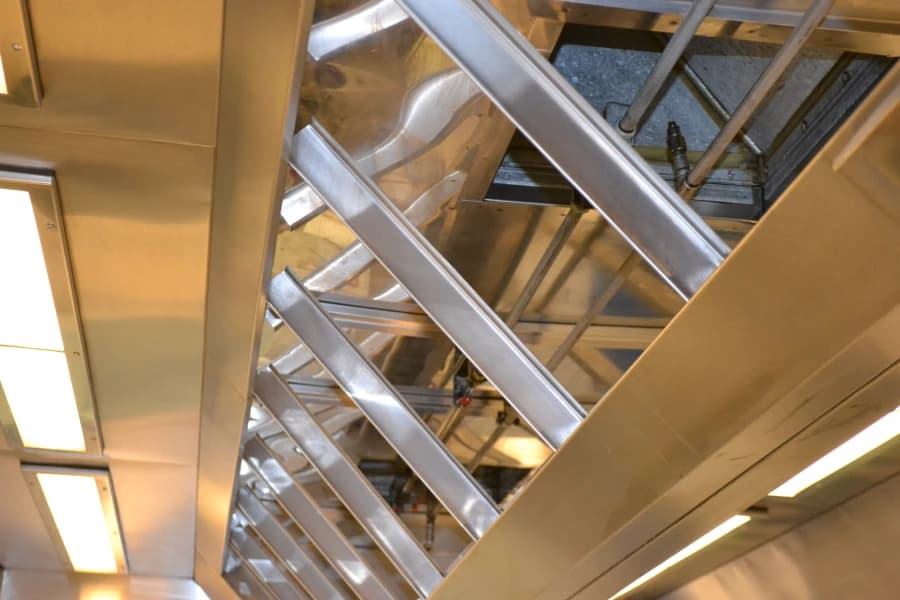
For kitchen extract systems, reasonable steps to reduce fire risk may include maintaining the system in a clean condition in line with TR19 Grease standards, ensuring cleaning is carried out at intervals appropriate to the kitchen's hours of operation, keeping documented evidence of all cleaning and maintenance, using baffle filters rather than mesh filters for flame arrest capability, and ensuring adequate access panels are installed for inspection and cleaning.
Failure to take these steps could be considered a breach of the legislation, which can result in enforcement notices, prohibition notices, or even criminal prosecution.
Enforcement and Penalties
Fire and Rescue Authorities enforce the Regulatory Reform Order. If an inspector finds that a kitchen extract system presents a serious fire risk, they can issue an enforcement notice requiring remedial action is completed within a specified period, or a prohibition notice preventing use of the premises until the risk is addressed.
In serious cases, the Responsible Person can face criminal prosecution. Unlimited fines may be levied, and in cases where a breach results in death, imprisonment is possible.
Protecting Yourself
The best protection is to take a proactive approach: appoint a competent TR19 Grease cleaning contractor, produce and execute a cleaning schedule based on your kitchen's hours of operation, keep all certificates and reports on file, and ensure your fire risk assessment is reviewed and updated regularly.
At Bright, we provide all the documentation you need to demonstrate compliance, and we will work with you to produce a schedule that keeps your system safe and your responsibilities covered.