Compliance
AHU Cleaning: Why Air Handling Units Need Regular Maintenance
What air handling units do, why they need professional cleaning, and how TR19 Air sets the standard for AHU hygiene in commercial buildings.
Bright Hygiene • 3 min read
What Is an Air Handling Unit?
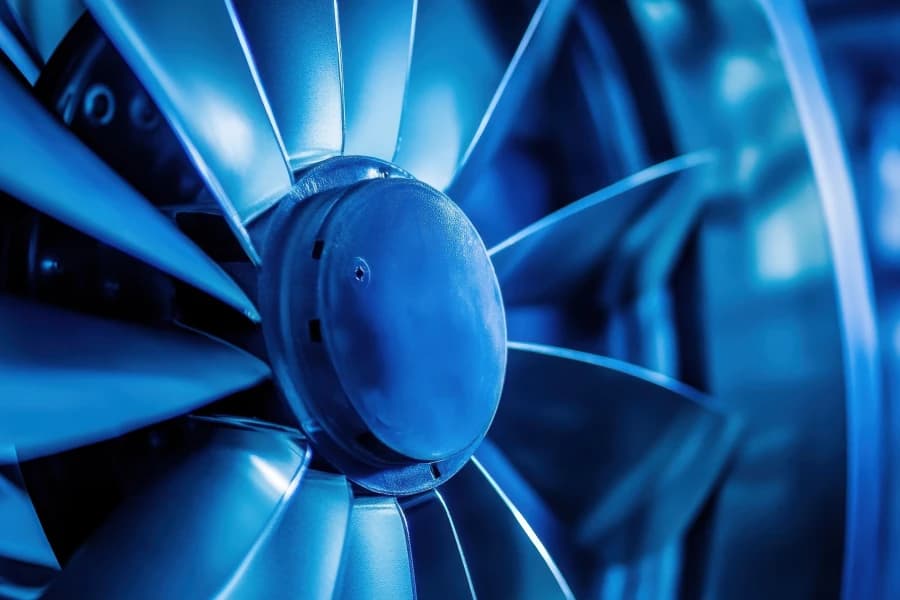
An air handling unit (AHU) is a large piece of mechanical equipment that conditions and circulates air throughout a building. A typical AHU contains intake and extract fans, heating and cooling coils, air filters, humidifiers/dehumidifiers, and mixing chambers that blend fresh outside air with recirculated indoor air.
In commercial kitchens and the buildings that house them, AHUs play a critical role in maintaining comfortable temperatures, controlling humidity, and ensuring adequate fresh air supply. They work alongside the kitchen's grease extract ventilation system to maintain a balanced airflow throughout the premises.
Why AHUs Need Regular Cleaning
Over time, the internal components of an AHU accumulate dust, dirt, microbial growth, and — in buildings with commercial kitchens — airborne grease. Cooling coils require particular attention, as their damp surfaces provide ideal conditions for mould and bacteria to thrive. Filters can also clog, reducing airflow efficiency and forcing the unit to work harder.
A contaminated AHU does not just reduce air quality — it can distribute contaminants throughout the building. Dust, mould spores, and bacteria from a dirty AHU can be circulated through the ductwork and into every room the system serves. The Health and Safety Executive (HSE) guidance on workplace ventilation makes clear that employers have a duty of care to their staff which includes ensuring that ventilation systems do not become a source of contamination.
Health Risks of Neglected AHUs
Poorly maintained AHUs have been linked to a range of occupational health issues. The most significant risks include the spread of airborne pathogens through contaminated ductwork that can cause or exacerbate asthma and respiratory conditions. There is also the potential of a legionella risk where humidification systems or cooling coils create standing water, and general 'sick building syndrome' symptoms may result including headaches, fatigue, and irritation of the eyes and respiratory tract.
In food preparation environments, poor air quality can also compromise food safety as airborne contaminants will settle on food preparation surfaces or open foodstuffs.
TR19 Air and AHU Cleaning Standards
TR19 Air, published by BESA in 2023, are the UK guidelines for ventilation hygiene in general (non-kitchen-extract) ventilation systems. This covers air handling units, supply and extract ductwork, and all associated components.
Under TR19 Air, AHUs should be inspected at regular intervals and cleaned when contamination levels exceed acceptable thresholds. The guidelines specify testing methods, acceptable cleanliness levels, and documentation requirements. Compliance with TR19 Air demonstrates that your ventilation system is not a source of indoor air contamination and is instead maintained to a professional standard.
What a Professional AHU Clean Involves
A professional AHU clean covers all accessible internal components including fan assemblies, heating and cooling coils, filters, drain pans, dampers, and internal casing surfaces. Coils are cleaned using a specialist solution that removes biofilm and grease without damaging the fins. Drain pans are cleared and sanitised to prevent standing water producing a biological hazard. Filters are replaced, and all surfaces are cleaned and disinfected.
At Bright, we carry out AHU cleaning as part of our air supply ventilation cleaning service, working to TR19 Air standards. Every clean is documented with before-and-after photography and a formal report, giving you the evidence you need for compliance and building management records.